
Tennis elbow
Golfers elbow
Ulna nerve compression
Elbow arthritis
Elbow stiffness
Fractures around the elbow
Tennis elbow (Lateral epicondylitis)
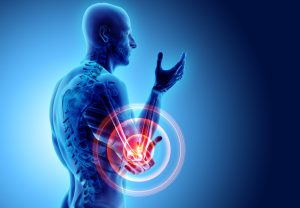
Tennis elbow causes pain on the outside of your elbow and is a common condition. The tendons which attach to this part of your elbow become thickened and may develop small tears which is termed tendinopathy. The condition can occur after repetitive activities and the majority improve over time and with modification of activities.
Symptoms and Signs
Pain and tenderness over the outer part of the elbow is the commonest symptom and maybe worsened by activities of elbow and wrist. The symptoms can start after a particular activity or build up gradually over time.
Investigations
The diagnosis of tennis elbow is usually clinical and made after an examination, however X-rays can be useful to exclude other causes for symptoms. An ultrasound or MRI scan can be used for confirmation if diagnosis if required.
Treatment Options
The choice of treatment is dependent on patient choice, previous treatments and the severity of current symptoms.
- Rest and activity modification
- Use of an elbow brace/clasp/splint
- Analgesia
- Physiotherapy which may include exercise and massage
- Ultrasound therapy
- Injections which can be either cortisone or platelet-rich plasma
- Surgery is termed ‘Tennis Elbow Release’, and this is an open procedure which involves the removal of repair of the damaged part of the tendon
Rehabilitation
Surgical release is performed as a day case procedure. A sling is provided for comfort, but you will be able to gently use your arm and rehabilitation will be guided by a physiotherapist. Return to work is variable dependent on its nature but it is advisable to take a few weeks off work.
Golfers elbow (Medial epicondylitis)
Golfers elbow causes pain on the inside of your elbow and is less common than Tennis Elbow. The tendons which attach to this part of your elbow become thickened and may develop small tears which is termed tendinopathy. The condition can occur after repetitive activities and the majority improve over time and with modification of activities.
Symptoms and Signs
Pain and tenderness over the inner part of the elbow is the commonest symptom and maybe worsened by activities of elbow and wrist. The symptoms can start after a particular activity or build up gradually.
Investigations
The diagnosis is usually clinical and made after an examination, however X-rays can be useful to exclude other causes for symptoms. An ultrasound or MRI scan can be used for confirmation if diagnosis if required.
Treatment Options
The choice of treatment is dependent on patient choice, previous treatments and the severity of current symptoms.
- Rest and activity modification
- Use of an elbow brace/clasp/splint
- Analgesia
- Physiotherapy which may include exercise and massage
- Ultrasound therapy
- Injections which can be either cortisone or platelet-rich plasma
- Surgery is termed ‘Golfers Elbow Release’, and this is an open procedure which involves the removal of repair of the damaged part of the tendon
Rehabilitation
Surgical release is performed as a day case procedure. A sling is provided for comfort, but you will be able to gently use your arm and rehabilitation will be guided by a physiotherapist. Return to work is variable dependent on its nature but it is advisable to take a few weeks off work.
Ulna nerve compression (cubital tunnel syndrome)
Cubital tunnel syndrome describes pressure on the ulnar nerve compression at the level of the elbow. The cause is usually unknown, but it can sometimes be related to elbow arthritis.
Symptoms and Signs
The usual symptoms are of numbness or pins and needles into the ring and little fingers which typically are worse at nighttime. If the condition is more advanced than weakness of the hand may be present as well as wasting (loss of muscle bulk).
Investigations
Although diagnosis is usually made after a clinical examination, typically nerve conduction studies are requested to confirm compression site of the nerve and assess if any nerve damage is present. Nerve conduction studies involve mild electric shocks being given to test the speed of electrical impulses within the nerve. Occasionally X-rays are required if there is suspicion of any underlying arthritis in the elbow.
Treatment Options
Mild symptoms are best treated without surgery and the use of night splints can be helpful if symptoms are particularly troublesome at night. If symptoms occur during certain tasks, then modification of these activities is advised. For patients who have persistent symptoms or severe symptoms with muscle weakness then surgical release may be recommended. If the disease is particularly severe or the nerve is mobile, then surgery may require the nerve to be transposed (moved) to a different position to relieve pressure.
Rehabilitation
Ulna nerve decompression/transposition is performed as a day case procedure. A sling is provided for comfort, but you will be able to gently use your arm for first few weeks. Most patients can return to work within a few weeks unless work is particularly physical.
Elbow arthritis
Elbow arthritis results from damage to the surface layer of the joint (cartilage). This damage leads to loss of the smooth joint surface resulting in rubbing of the underlying bone which may remodel into an abnormal shape. These changes may lead to significant pain and loss of motion. This process can be secondary to wear and tear, after trauma or after inflammatory arthritis such as rheumatoid.
Symptoms
Elbow arthritis can lead to significant pain which can be debilitating particularly affecting the ability of patients to perform daily activities and sleep. Elbow arthritis can result in significantly reduced motion from the elbow as well as catching and locking sensations.
Investigations
Arthritis is usually evident on an X-ray; the use of CT scans can be helpful prior to any surgical procedure.
Treatment Options
Choice of treatment is dependent on patient wishes and the symptom severity but include:
- Physiotherapy which aims to maintain range of motion
- Analgesia
- Cortisone injections which may provide temporary pain relief
- Debridement (cleaning) of bony spurs and lumps to improve movement
- Elbow replacements
Surgical recovery
Elbow debridement may require an overnight stay. A sling is provided for comfort, but you will be encouraged to move your elbow under the guidance of a physiotherapist.
Elbow replacements are performed through open surgery and usually involve a few days in hospital. A sling is required for up to 6 weeks during which time elbow movement will be encouraged and performed under the guidance of a physiotherapist. Recovery is gradual and can take up to 4- 6 months to complete.
Elbow stiffness
Elbow stiffness describes a reduction of movement in the joint. There are several possible causes which include arthritis, trauma and scarring of the soft tissues.
Symptoms
Elbow stiffness can lead to significant difficulties in performing daily activities such as washing and shaving. In addition, there can be pain associated with these movements.
Investigations
An X-ray is required to decide if arthritis is a contributing factor to the stiffness, occasionally CT or MRI scans are required for further information.
Treatment Options
Choice of treatment is dependent on the patient and the severity of symptoms but include:
- Physiotherapy which aims to maintain and increase motion
- Splinting
- Surgery if symptoms are severe and persistent despite nonsurgical treatment. Surgery is in the form of debridement (cleaning) of the joint and release of the soft tissues.
Rehabilitation
Surgery is usually performed as a day case procedure although if the elbow is very stiff then an overnight admission maybe required. A sling is provided but early movement is encouraged under the guidance of a physiotherapist.
Fractures around the elbow
Fracture around the elbow include those to the distal humerus, proximal ulna and proximal radius. The injuries typically occur after a fall, sporting injury or vehicle collision.
Symptoms and Signs
The main symptom is pain over the elbow which is made worse by movement. There is tenderness, swelling and bruising around the elbow.
Investigations
The fracture is evident on plain X-ray but occasionally CT scans are requested if surgical fixation is considered to aid planning of surgery.
Treatment Options
A significant proportion of fractures around the elbow can be managed without surgery and are treated initially in a sling or plaster cast. Physiotherapy is an important part of treatment as the elbow joint is prone to stiffness and early motion should be encourage where possible.
However certain fractures which involve extension into the elbow joint or with significant displacement of fracture fragments may benefit from surgical fixation with plates/screws to optimise fracture position, healing and allow early movement. Fractures with many fragments particularly in older patients where bone is softer may not be amenable to surgical fixation and elbow or radial head replacements provide an alternative surgical option in this group.
Surgical recovery
Fixation of fractures around the elbow may require an overnight stay in hospital. A sling will be provided for comfort for 6 weeks, but gentle elbow motion will usually be allowed within 2 weeks given the risk of stiffness with elbow injuries under physiotherapy guidance. Timing of return to work is dependent on occupation but may take 4-5 months if work is physical.